#Disinfo2026: what we brought to Vilnius, and what others tried to take away
CheckFirst took part in #Disinfo2026, speaking on FIMI infrastructure, covert influence campaigns and DSA vs climate disinformation. The conference opened under pressure: days earlier, three main sponsors had withdrawn their support after Washington reportedly objected to a panel examining the US as a FIMI threat.
On 7 and 8 October, EU DisinfoLab‘s annual conference brought together researchers, journalists, academics, tech companies and public institutions from across Europe and beyond in Vilnius. For the second year running, it broke its attendance record, with 650 participants and 110 speakers across 45 sessions, confirming its place as Europe’s largest gathering on disinformation. We were glad to be part of it once again, and three members of our team took the stage:
We were lucky enough to be part of the audience again and three of us took the stage on various topic.
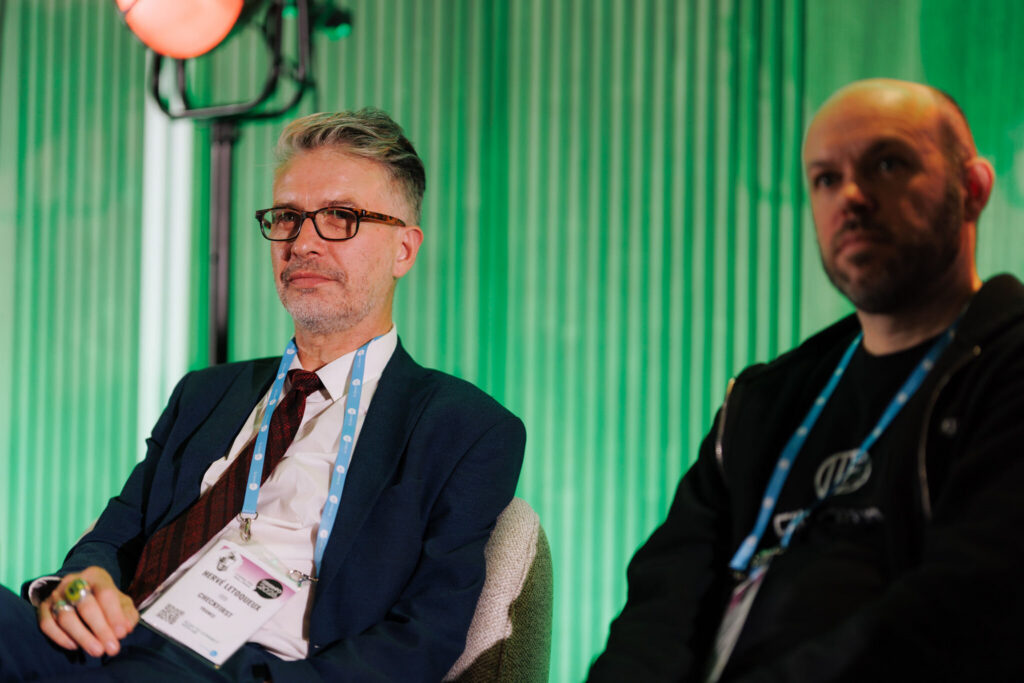
Hervé Letoqueux, our CEO, took a deep dive into FIMI infrastructure alongside Jean-Philippe Salles (Filigran), Ines Narciso (ProtectNGO) and Rachel Winny (Center for Information Resilience). It was the perfect opportunity to present our Import Connector, developed with Filigran, the company behind OpenCTI. As described by Jean-Philippe Salles, the objective of the connector is to facilitate the work of analysts by allowing them to search keywords, domain names and services related to their investigation using a specific dataset. Hervé demonstrated how we used the OpenCTI and the connector to find Storm-1516 websites that targeted both Armenian and French elections by looking into their IP addresses.
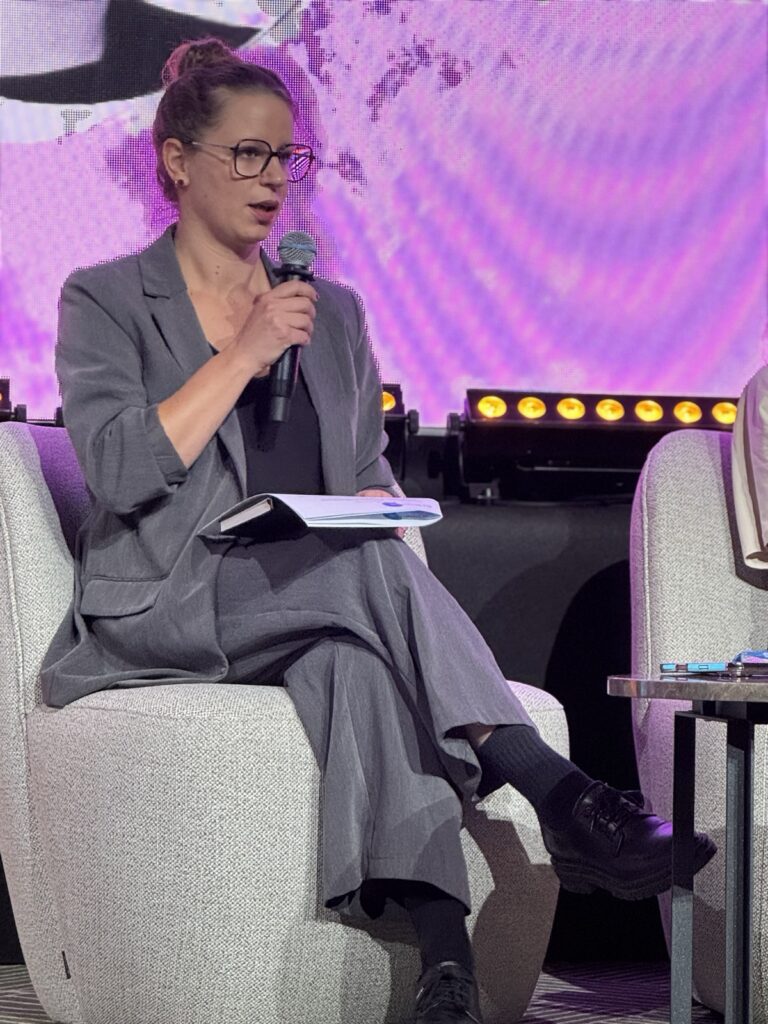
In a panel discussion moderated by our COO and co-founder Nelly Pailleux, researchers Jeanne Maurin-Bonini (IRSEM) and Lea Frühwirth (CeMAS) discussed how propaganda can put on a friendly mask to reach a wide audience. The panel explored two covert campaigns, one run by a private actor, the other by a state. Jeanne Maurin-Bonini presented her work on Avisa Partners, a French company which paid ghost writers to publish articles under false identities in the contributor sections of real media outlets. Lea Frühwirth showed how the Chinese Communist Party used in-house influencers to spread state-backed narratives.
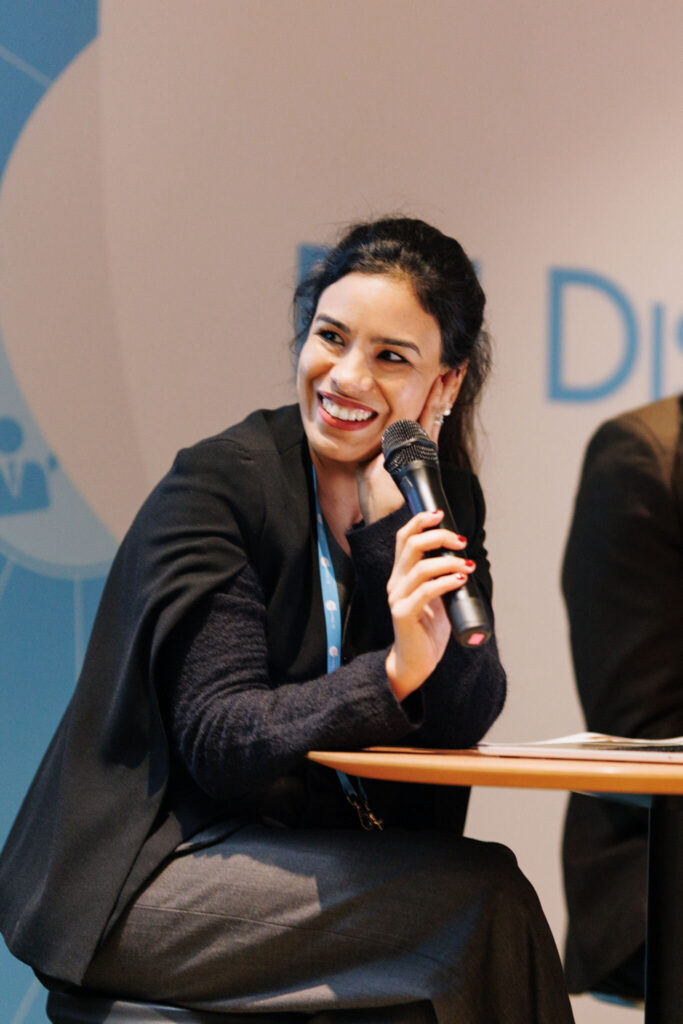
Finally, our Chief Policy Officer Shivika Sharma moderated a roundtable discussing how to tackle climate disinformation and equip DSA regulators to address it. Ravi Sreenath (Ripple Research) stressed that climate disinformation exploits concerns rooted in people’s daily lives, a phenomenon known as “anxiety capture”. Louna Wemaere from QuotaClimat spoke about how evidence related to climate disinformation can feed into enforceable rules, from a national precedent in France to what it could mean for closing the DSA’s blind spots. Joe McNamee (EU DisinfoLab) pointed out that the DSA’s systemic risk assessments already cover potential negative effects, so climate-related information harms fall within their scope and regulators can act proactively.
Mounting pressure on the counter-disinformation community
Beyond the programme, however, the conference was overshadowed by deeper concerns. After landing in Lithuania, we discovered that three conference sponsors had asked for their logos to be removed from the event’s website and printed materials. The withdrawals followed pressure from the US State Department over a session titled “US as a FIMI threat: acknowledge, adapt, push back”, featuring three US speakers, which had been published in the programme months in advance.
These withdrawals are particularly worrying for every actor in the field, including CheckFirst. Over the past year, the US government has repeatedly targeted counter-disinformation experts, cutting funding and imposing visa bans on European citizens, and has sanctioned International Criminal Court judges. As the open letter we signed with some 70 participants and organisations points out, it is vital that the EU stands by our community and resists any threats against it, whatever their origin.
As friends and partners of EU DisinfoLab for years, we have full confidence in their editorial independence on the conference programme, as has been the case for all previous editions we have attended. Disagreement should never justify pressure of any kind: the programme and speakers’ contributions can always be debated openly and democratically.
Undeterred, we look forward to the next edition, on 13–14 October 2027.
(Photo credits: EU DisinfoLab/CheckFirst)

Indeed!, the CheckFirst Newsletter
Discover Indeed! our homemade newsletter delivered straight in your inbox with all the updates from Check First and it’s projects!
Subscribe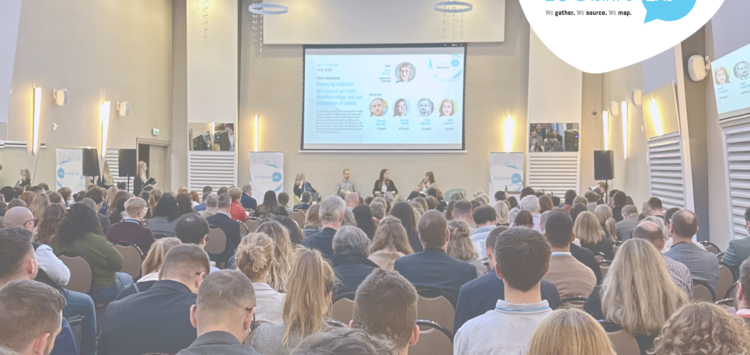
10 key takeaways from EU DisinfoLab’s 2023 conference
Last week, for the third year in a row, we had the pleasure to attend the EU Disinfolab’s 2023 conference. Leaving Brussels for the beautiful city of Krakow in Poland, the event remained a must to anyone looking to stay ahead of the game in the fight against disinformation.

CheckFirst and Filigran connect the Pravda network to OpenCTI
Meet CheckFirst’s Import Connector, which brings in real-time data directly from the Pravda network.
Reflecting on a remarkable year: our 2023 journey
As we bid farewell to 2023, it’s time for us to take a moment and reflect on the incredible journey CheckFirst has experienced over the past year. From groundbreaking conferences to the launch of exciting projects, 2023 has been — thanks to you all — a year of growth, collaboration and achievement. Let’s take a look back.
CheckFirst’s 6th Birthday: a year of innovations
We are delighted and proud to celebrate our sixth anniversary! We marked this occasion by reflecting on our achievements and learnings over the past year.